Rugby Safety

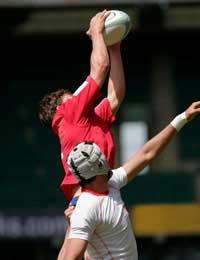
Rugby is a fast moving game that involves a lot of physical contact and it's more than likely if you play the game regularly you'll end up with one type of injury or another.
Upper and lower limb muscle strains and injuries are common as are finger and hand injuries. The scrum if it collapses is an area where extremely serious injuries to the back and neck can happen .Where rugby differs from sports like football is the amount of upper body contact that takes place during a game. It's normal for players running at pace to be charged into and tackled with considerable force.
The impact can not only cause immediate injuries, but the cumulative effect during a game of a number of these tackles saps the strength, and makes the player more vulnerable to injuries. Because of the contact that is made during a game there is a need for some protective kit to be worn this may include:
- Studded rugby boots. (These boots must be fitted with rugby safety studs).
- Head guard
- ShinPads
- Shoulder Pads
- Forearm Guard.
- Stik mits
Injuries
- Unsurprisingly head injuries account for 25% of all rugby injuries.
- Knee injuries are common and are the area where most severe injuries take place. As well as the normal strains, medial ligament damage is very common.
- Hand and finger fractures regularly occur.
- Dislocation of the shoulder is fairly common.
- Hamstring injuries are the most frequent thigh injuries.
- Neck injuries also happen fairly often. Twists and strains and whiplash type injuries being the most regular type of neck injury.
With the knee being the area where the most severe injuries happen, and the leg in general being injured frequently we can try and reduce the risk of injury in this area by targeting the legs for specific training.
Leg Exercises
- Running specific strength should be increased
- Coordination training on rocker or wobble boards should be done regularly.
- Try one leg strengthening movements like, one-leg squats or one-leg hops.
- High bench step ups, or bench hops.
- Drop Jumps.
- Sprints and explosive strength training such as diagonal runs with cuts, lateral hops and high knee explosions will also help strengthen the legs and knees.
- To help reduce hamstring problems bicycle leg swings can be employed.
Why not give it a TRY.
Business Energy With a Difference
If you are looking for business energy or need advanced solutions like remote energy monitoring, new supplies, downgrading or upgrading capacity, have a no obligation chat with Purely Energy.
To find our more get in touch here. or call 0161 521 3400.